Model and manage DNS infrastructure alongside IPAM data in your network source of truth
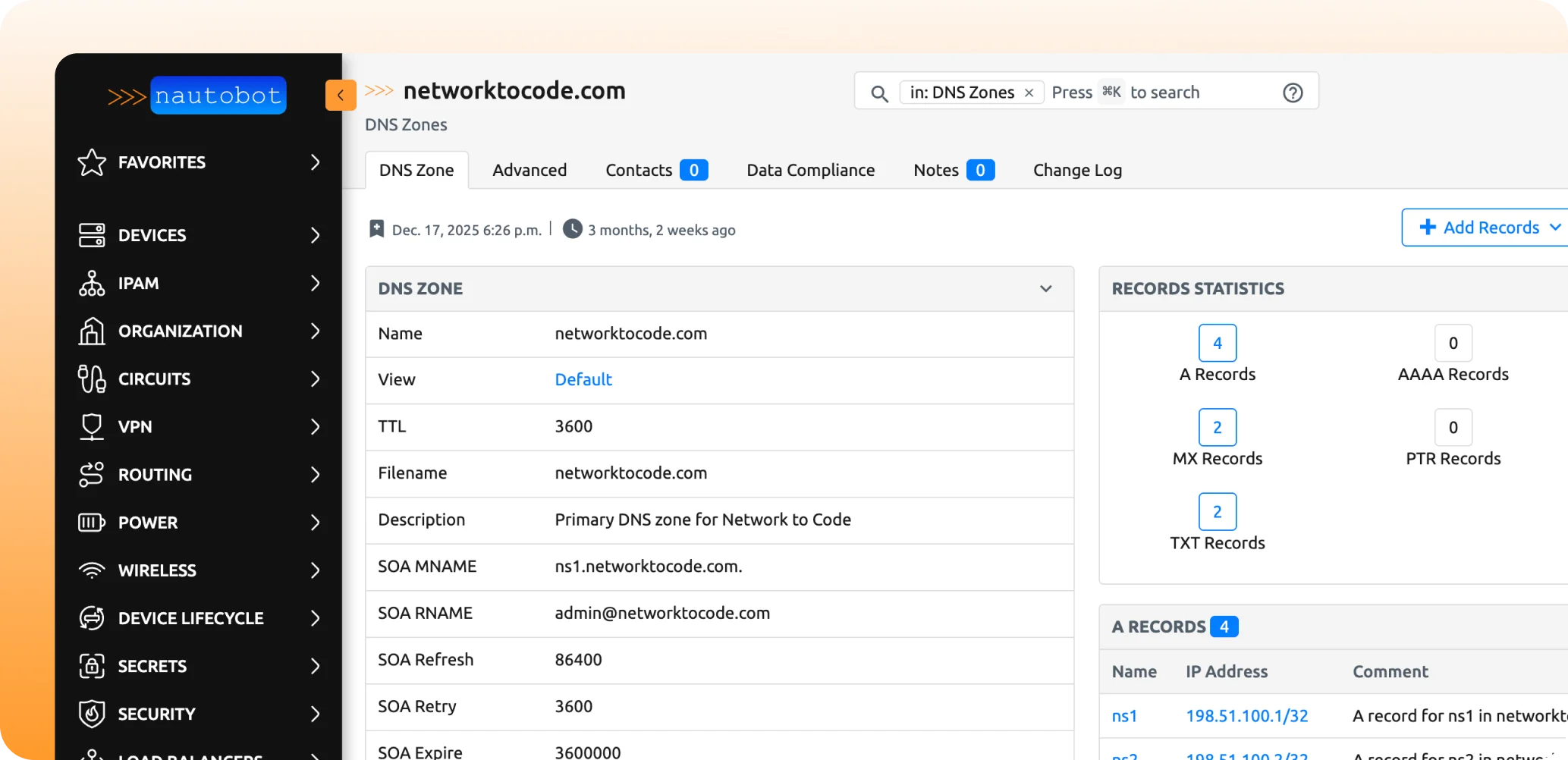
The DNS Models App extends Nautobot, enabling teams to model DNS zones and records directly alongside IP addressing, devices, and services. Stop maintaining fragmented DNS data in spreadsheets or disconnected systems. Integrate DNS records such as A, AAAA, CNAME, MX, and TXT with Nautobot’s powerful IPAM and automation workflows to gain a more complete and automation-ready view of your network infrastructure.
DNS is foundational to network and application connectivity, yet it is rarely managed alongside the rest of the network infrastructure data.
In many environments:
This fragmentation creates operational challenges.
Network teams struggle to maintain consistent relationships between hostnames, interfaces, services, and IP addresses. Automation pipelines lack authoritative DNS context. Documentation quickly becomes outdated. Even simple changes such as provisioning a new service or updating a VIP can require multiple manual updates across systems.
Without a unified model, DNS becomes another disconnected dataset rather than an integrated component of the network source of truth.
Bottom line:
When DNS data is managed separately from the rest of the network infrastructure, automation becomes harder, visibility decreases, and operational risk increases.
Once DNS records are modeled alongside the rest of the network infrastructure, teams gain a more complete and reliable view of their environment.
Automation workflows can reference DNS data directly. Infrastructure provisioning can include DNS changes automatically. Network engineers and application teams share a consistent understanding of hostnames, services, and endpoints.
DNS is no longer a disconnected system. It becomes an integrated component of the network source of truth.
Operational benefits
The DNS Models App introduces DNS-specific data models directly into Nautobot, enabling teams to represent DNS zones and records as structured, automation-ready objects within the platform.
Instead of treating DNS as an external system only accessible through APIs or manual interfaces, organizations can model DNS data alongside the rest of their infrastructure.
This enables a unified data model that supports automation, validation, and synchronization workflows.
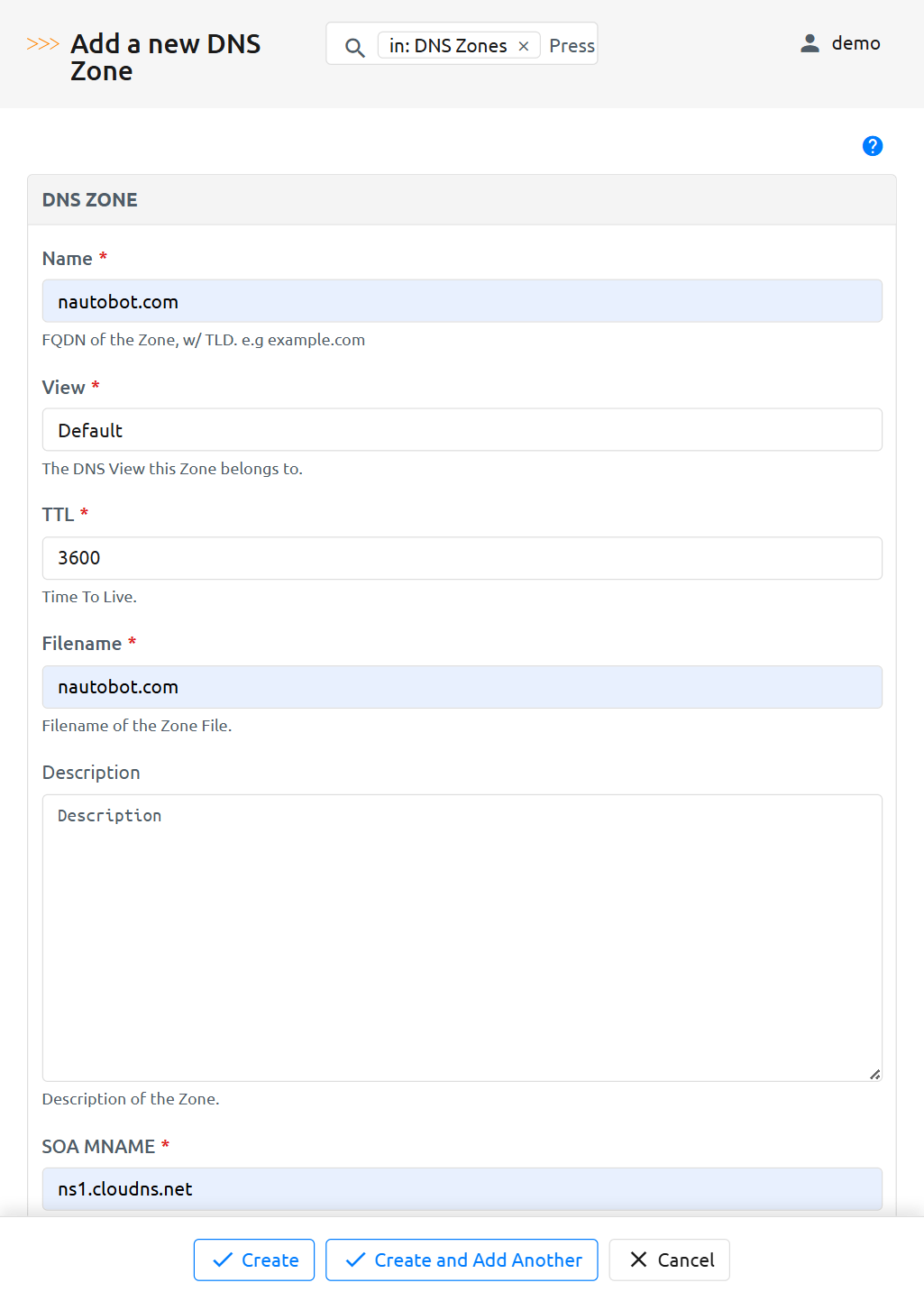
The app introduces a DNS Zone model that acts as the organizational container for DNS records.
Each zone represents a managed DNS namespace and can contain multiple record types. Zones provide the structure required to model hierarchical DNS environments, including parent zones and sub-zones.
This allows teams to:
The app provides dedicated models for common DNS record types, allowing teams to manage DNS entries as first-class objects within Nautobot.
Supported records include:
Each record type includes the appropriate attributes such as hostname, zone association, TTL, and descriptive metadata. IPv6 AAAA records map hostnames directly to IPv6 addresses stored in Nautobot IPAM.
This structured approach ensures DNS data remains consistent, queryable, and automation-ready.
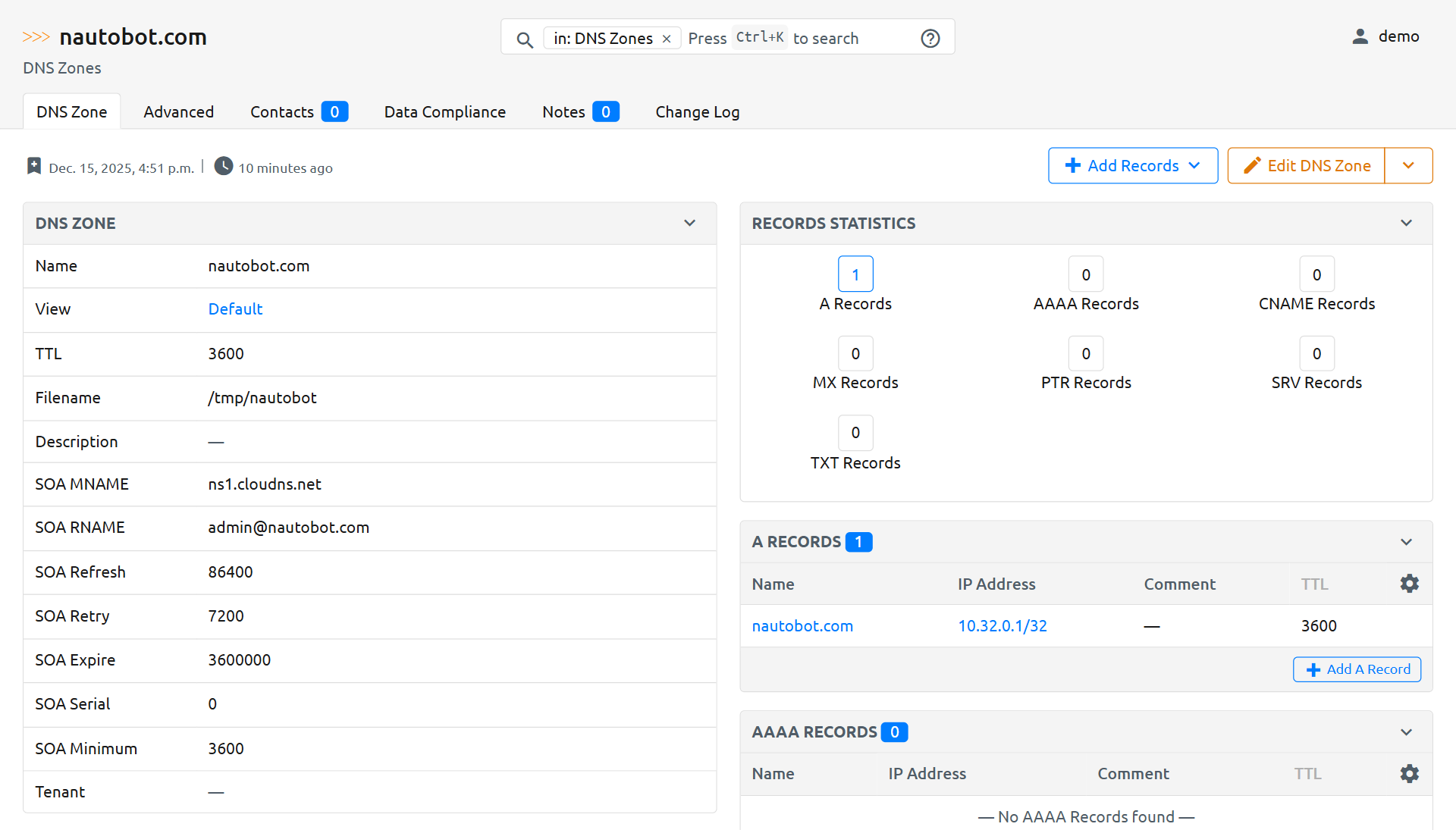
One of the primary design goals of the DNS Models App is integration with Nautobot’s IPAM data.
For example:
By linking DNS records to authoritative IPAM data, teams eliminate duplicate data entry and reduce configuration drift between DNS and network systems.
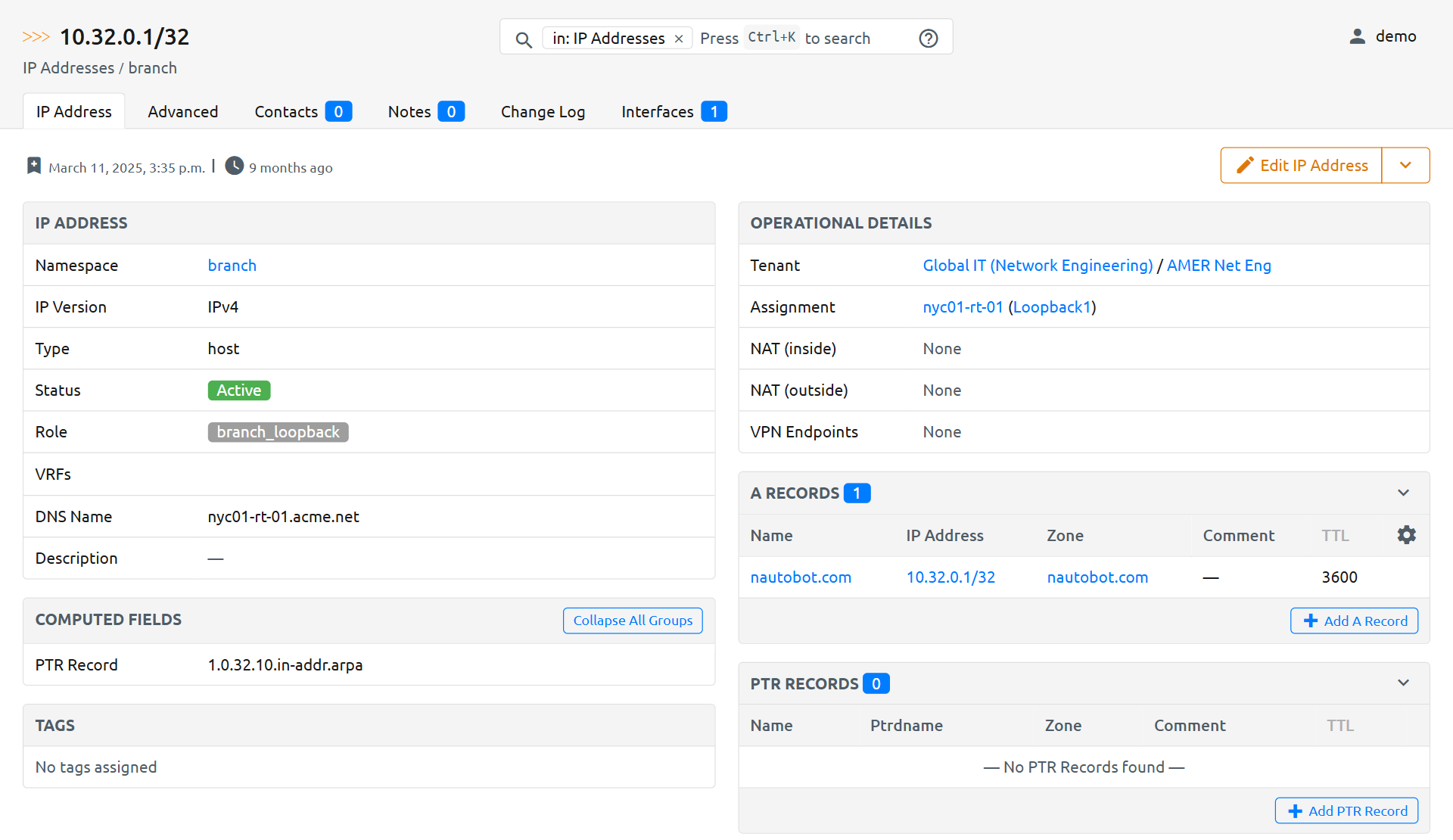
Because DNS records are modeled inside Nautobot, they become immediately available to the platform’s automation framework.
This enables workflows such as:
DNS data becomes part of the same automation pipelines that manage devices, configurations, and network services.
Integrate DNS into your network automation strategy
Bring DNS infrastructure into your network source of truth and eliminate fragmented DNS data across systems.
The app allows teams to model DNS zones and records directly in Nautobot, eliminating the need to track DNS data separately from IPAM and other network infrastructure data.
The app supports several common record types including A, AAAA, CNAME, MX, TXT, and NS records, each with structured attributes appropriate to the record type.
A and AAAA records can reference IP addresses stored in Nautobot IPAM, allowing DNS records to remain aligned with authoritative IP address data.
No. The DNS Models App models DNS data within Nautobot but does not act as a DNS server. It is designed to integrate with DNS infrastructure and automation workflows rather than replace DNS services.
Yes. Because the data is stored in Nautobot models, it can be used by automation workflows or synchronization applications to push or pull DNS data from external DNS or DDI platforms.
Yes. DNS records often represent application endpoints, VIPs, and service hostnames. Modeling DNS data in Nautobot helps teams understand the relationship between applications, infrastructure, and network services.
Yes. Once DNS records are modeled in Nautobot, they can be accessed through the API, automation jobs, or orchestration pipelines as part of broader NetDevOps workflows.
The application supports modern Nautobot deployments and integrates directly with the platform’s extensible data modeling framework.


Share details about yourself & someone from our team will reach out to you ASAP!