
Model Firewall Policy as Data for Scalable Network Security
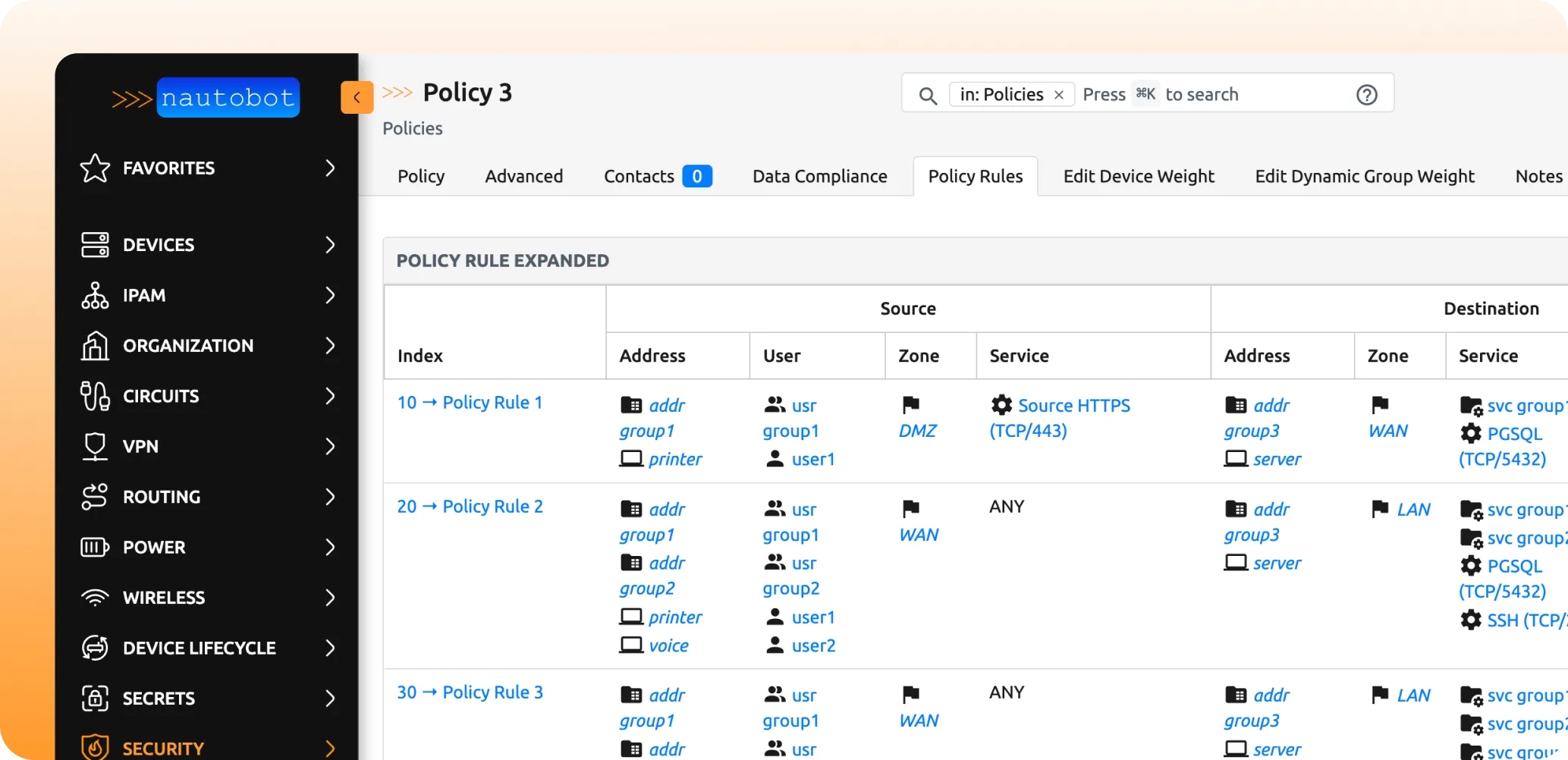
Nautobot Firewall Models enables teams to define firewall policies as structured, vendor-agnostic data within Nautobot. By modeling firewall intent instead of manually managing device configurations, organizations can standardize rule management, automate configuration generation, and integrate firewall policies directly into NetDevOps workflows.
Security, networking, and automation teams gain a centralized source of truth for firewall policies, improving visibility, reducing manual operations, and enabling automation across hybrid infrastructure environments.
Firewalls play a critical role in protecting infrastructure and enforcing security policies. Yet for many organizations, firewall rule management remains a largely manual and fragmented process.
Typical workflows involve multiple teams:
These processes often rely on tickets, spreadsheets, and manual configuration changes. As networks grow, the volume of firewall rules increases rapidly, making the process difficult to manage and scale.
Over time, several operational challenges emerge:
Rule Sprawl and Policy Drift
Duplicate or outdated rules accumulate as environments evolve, making policies difficult to audit and maintain.
Vendor-Specific Configurations
Firewall rules are implemented differently across vendors, making standardization and cross-platform management difficult.
Slow Change Cycles
Manual rule reviews and device configuration updates create operational bottlenecks and delay application deployments.
Limited Visibility into Policy Intent
Firewall configurations often reflect implementation details rather than the original policy intent, making compliance verification difficult.
As organizations expand into hybrid and multi-cloud environments, firewall complexity increases dramatically. Managing policies directly through device configurations no longer scales.
Firewall policies need to be treated as structured data and intended state, enabling automation, consistency, and scalable security operations.
When firewall policies are modeled centrally in Nautobot, teams move from manual rule management to automated, model-driven firewall operations.
Policy definitions become structured data that can be validated, versioned, and integrated into automation pipelines.
Security teams gain improved visibility into how policies relate to infrastructure, while network teams can generate consistent configurations across devices and environments.
Firewall operations become more predictable, scalable, and auditable.
Organizations adopting model-driven firewall policy management often reduce manual firewall operations dramatically while improving governance and operational consistency.
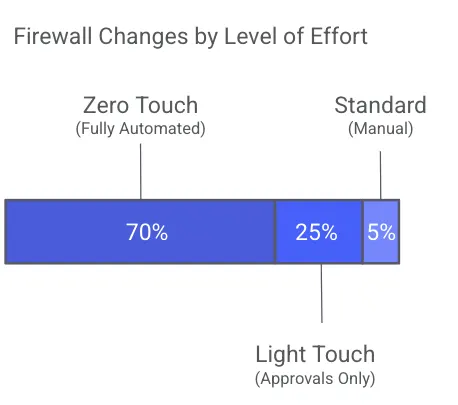
Move from manual, fragmented management to scalable, model-driven security.
Explore the Nautobot Firewall Models app in the Nautobot Community Sandbox found at demo.nautobot.com
Nautobot Firewall Models provides a structured data model for firewall policies inside Nautobot, allowing organizations to manage firewall intent as data rather than device configurations.
Instead of defining rules directly on individual firewalls, teams can create reusable policy objects that represent firewall intent. These objects are stored in Nautobot and exposed through APIs, enabling integration with automation pipelines and network orchestration systems.
This model-driven approach supports scalable firewall automation while maintaining strong policy governance.
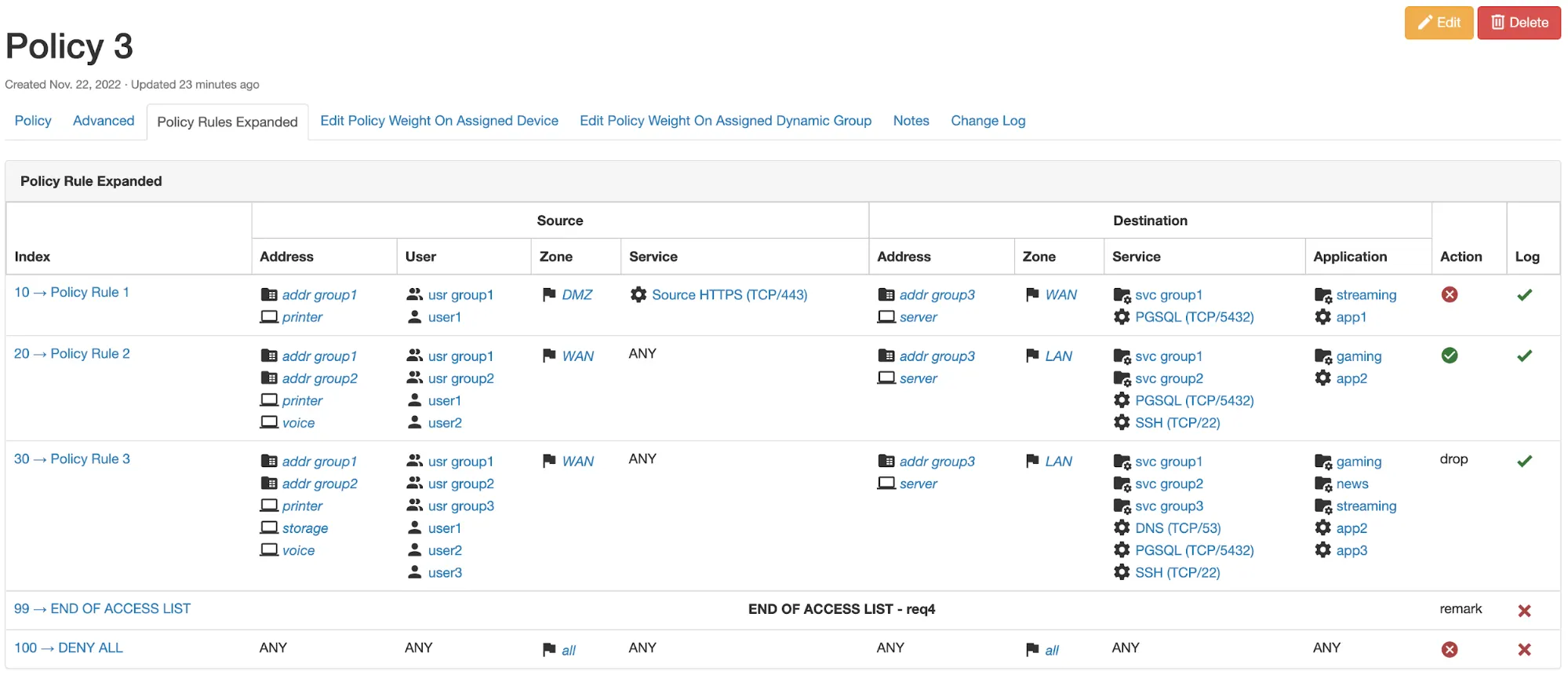
Firewall Models represent firewall policies using structured objects that capture the logical components of security rules.
Supported objects include:
These objects are organized through hierarchical relationships that preserve policy integrity and help prevent invalid configurations.
By modeling these components as structured data, organizations gain a consistent representation of firewall intent across environments.
Traditional firewall management ties policies directly to vendor-specific device configurations. Firewall Models separate policy intent from device implementation. Teams define policies once within Nautobot. Automation systems can then translate those policies into device-specific configurations for different firewall platforms.
This enables:
• Vendor-agnostic firewall policy design
• Consistent rule implementation across environments
• Reduced configuration drift between devices
Firewall Models integrates with automation workflows by exposing data through standard APIs.
The application supports:
Policy data stored in Nautobot can feed configuration generation tools and infrastructure automation workflows.
For example, organizations can integrate Firewall Models with tools such as Capirca to generate vendor-specific firewall configurations from centralized policy models.
When firewall policies are modeled in Nautobot, they become part of a broader Network Source of Truth (NSoT).
This allows teams to:
Security and network teams can collaborate around a shared representation of policy intent rather than device-level configurations.
Bring Firewall Policy Into Your Network Automation Strategy
Model firewall policies as structured data, integrate them into automation workflows, and scale security operations with Nautobot.
Nautobot Firewall Models is a Nautobot application that models firewall policies, ACLs, NAT rules, and related objects as structured data to support automation and scalable policy management.
Traditional tools focus on configuring firewall devices directly. Firewall Models focuses on modeling firewall policy intent as structured data that can drive automation workflows and configuration generation.
Yes. Firewall policies are modeled independently from any specific firewall vendor. Automation tools can translate the policy model into vendor-specific configurations.
Yes. Firewall Models exposes policy data through APIs such as REST and GraphQL, enabling integration with CI/CD pipelines and network automation frameworks.
Yes. Firewall Models can integrate with tools such as Capirca to translate policy models into vendor-specific firewall configurations.
No. Firewall Models complements firewall platforms by modeling policy intent and enabling automation workflows that generate configurations for those devices.
Firewall Models is commonly used by:
By modeling firewall policies as structured data, teams can incorporate security policy management into their broader NetDevOps automation strategy. Firewall policies can be validated, versioned, and integrated into automated infrastructure workflows.


Share details about yourself & someone from our team will reach out to you ASAP!


